Planning & arrival
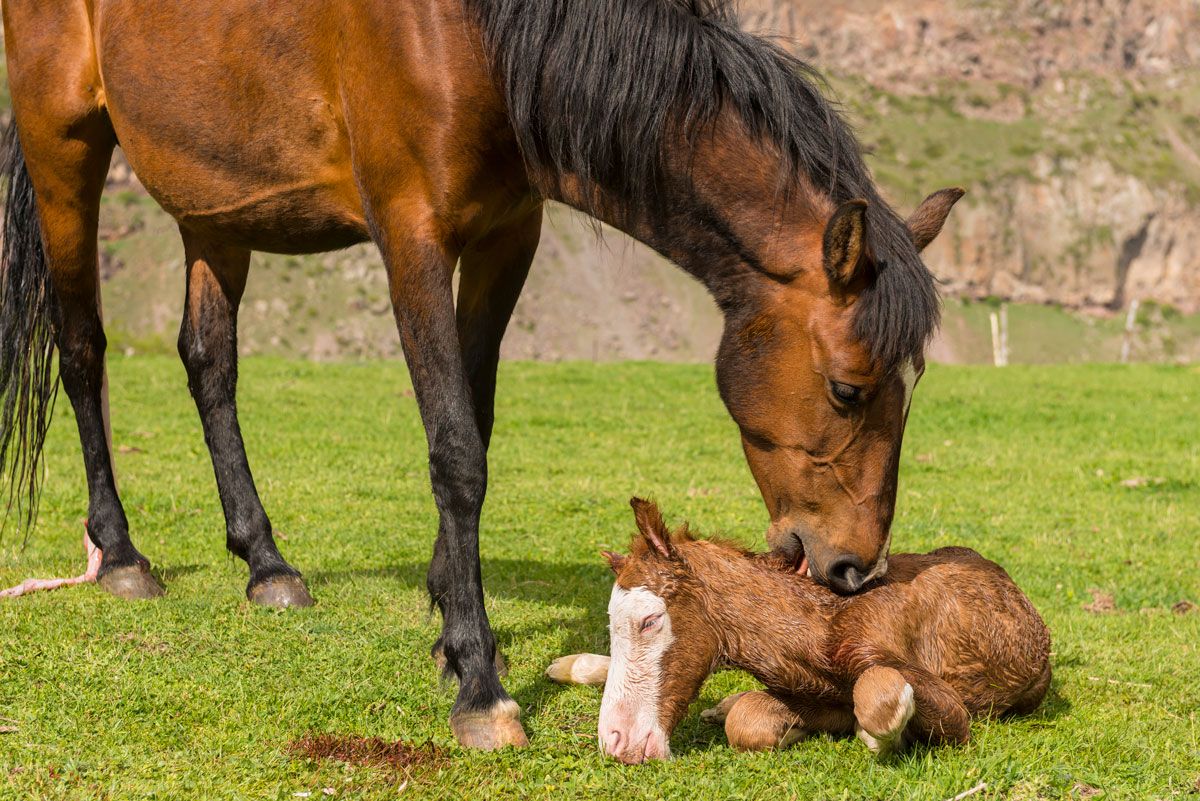
Foaling is where the program proves itself. Oak Grove has led equine reproduction in northeast Oklahoma for 30 years, and the mares that come through it — mares we bred, recipients carrying embryo-transfer pregnancies, and client mares from across the region — foal here under veterinary supervision, with Dr. Jay Ross’s program behind every one of them.
- Book the foaling place
- Foaling capacity is finite and the season fills. Mares already on our breeding program have their place planned from the pregnancy check; outside mares should be booked well ahead of the due date. The owners who plan in the fall foal without scrambling in the spring.
- When to bring her
- As a rule, 30 to 45 days before her due date. That gives her time to settle in, build colostrum antibodies matched to the environment her foal will be born into, and be current on her pre-foaling vaccinations. Mares with a history — placentitis, a prior hard delivery, a retained placenta — come earlier; we’ll set the date with you.
- What we need from you
- Her breeding dates and expected due date, her vaccination record — especially the EHV-1 series at 5, 7 and 9 months — and her foaling history: prior live foals, difficult deliveries, retained placentas, a Caslick’s in place. The more of her story that arrives with her, the better her first night goes.
- Settling in
- She goes on the same late-gestation program we run for our own mares: body condition watched, the ration built for the growth of the last trimester, pre-foaling boosters about a month out so the colostrum carries them, and a Caslick’s opened two to four weeks before foaling where one is in place. The full trimester-by-trimester picture is in our guide to caring for the pregnant mare.
The foaling watch
- Monitored foaling
- As her signs build — udder development, waxing, softening over the hips, changes in her milk — she moves to close watch, and when foaling is imminent she is checked through the night. Most mares foal in the small hours; the watch runs on her schedule, not office hours.
- Attended delivery
- A normal delivery takes about twenty to thirty minutes once the water breaks, and when it goes the way it should, our job is mostly to stay out of the way and let the mare work. But she is delivering at a veterinary hospital: if the presentation is wrong, the placenta separates early, or the clock runs out, the help is already there — not a trailer ride away.
- When it isn’t normal
- Red bag, dystocia, a placenta still in at three hours — the emergencies are the reason to foal at a hospital instead of at home. Know the timeline and the red flags cold before the season starts: our foaling emergencies guide lays them out.
The first 24 hours
- The newborn exam
- Every foal gets a hands-on veterinary exam in its first day: heart and lungs, eyes, umbilicus, limbs and joints, suckle and gut sounds. The mare is checked too — placenta complete, udder working, no bleeding, no early signs of trouble.
- Colostrum & the IgG check
- The mare’s colostrum is checked for quality, the foal’s nursing is confirmed, and the foal’s IgG is measured on a blood test at about 12 to 24 hours — the number that tells us whether passive transfer worked. A foal that comes up short gets plasma while the window to fix it is still open.
- The 1-2-3 marks
- Standing by one hour. Nursing by two. The placenta passed by three. Passing meconium and nursing strongly through the first day round it out. Every mark is watched for here because somebody is assigned to watch for it — a miss caught in the first hours is a different problem from a miss found the next morning.
- The mare after foaling
- She is monitored through her first days — appetite, temperature, udder, discharge — and her post-foaling plan is set before she leaves: when she and the foal are rechecked, and whether she breeds back this season or waits.
Who foals here
- Client mares
- Mares bred here or at home, local or hauled in — if she’s booked, she foals with the same watch and the same newborn workup as every mare on the place.
- Recipient mares
- Recipient mares carrying embryo-transfer pregnancies foal here as part of the program, so the foal’s first day gets the same veterinary attention as the transfer that started it. The full picture is on our embryo transfer page.
- Oklahoma Bred foals
- For the Oklahoma-Bred program, where the foal is born matters: eligibility rides on the mare being domiciled in Oklahoma and the foal born in Oklahoma. Owners from all over the country board mares here to foal on Oklahoma ground — it is the heart of our Oklahoma Bred program.
Foaling servicesFoaling outMonitored foalingNewborn foal examIgG testingRecipient maresOklahoma BredMare boarding
Serving horse owners across northeastern Oklahoma — Coweta, Broken Arrow, Wagoner, Tulsa, Bixby, Jenks, Owasso, Claremore, Muskogee — and welcoming haul-in clients from Kansas, Missouri, Arkansas, and Texas.