Equine Embryo Transfer in Oklahoma — Donor Mares, Fresh Transfers, Vitrified & Shipped Embryos | Oak Grove Veterinary Hospital

Small animal + equine care in Coweta

Talk with our team: 918-486-VETS

Home › Equine Reproduction › Embryo Transfer

Equine services · Coweta, Oklahoma

Embryo Transfer for Mares — Donor Management, Fresh & Shipped Embryos, Recipient Mares

Embryo transfer, run like a program — the donor, the flush, the embryo’s road, and the recipient, planned together by Dr. Jay Ross, with three decades of equine reproduction behind it.

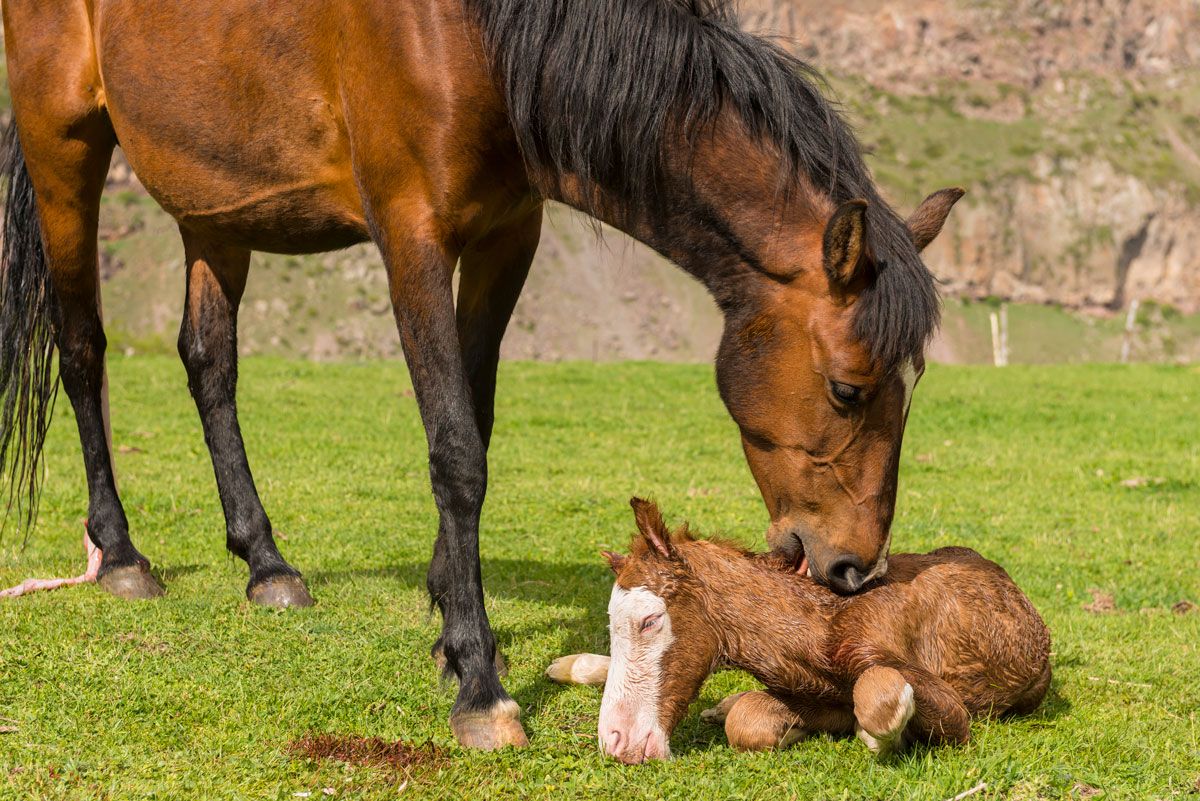
Broodmare and foal at Oak Grove Veterinary Hospital
Embryo transfer,
run like a program.

One mare. More than one foal a year.

Embryo transfer lets a donor mare produce through recipients while she keeps her own career — or produce more than one foal in a season. At Oak Grove it’s run as one program, end to end.

The donor

Breeding soundness & the plan
The season starts with an exam and a plan built around the mare, the stallion, and where the embryo is headed.
Breeding the donor
Fresh, cooled, or frozen semen. Low-volume or irreplaceable doses are bred by deep horn insemination, depositing the dose in the horn on the side of ovulation.
Flush day
About a week after ovulation — day 7 or 8 — the uterus is flushed non-surgically and the embryo is recovered, graded, and readied for its road.

The embryo’s three roads

Fresh transfer, here
Transferred fresh into a synchronized recipient as part of the work at Oak Grove.
Shipped
Plenty of embryos travel instead: shipped fresh or vitrified to a recipient wherever she is standing. Season to season the work is a mixture of both roads.
Vitrified, here
Embryos frozen on site at Oak Grove — banked for a later season, shipped when a recipient is ready, or sold.

The recipient side

Multiple recipient herds
We don’t keep a recipient herd of our own. We work with multiple recipient herds, which keeps synchronized mares available when a donor is ready — the program never stalls on a limited number of recipients, and it isn’t capped on how many transfers a season can hold.
The whole process, end to end
Donor timing, synchronization, shipping windows, transfer, pregnancy checks, and the mare’s record — handled as one plan.
Oklahoma-Bred enrollment
Recipient mares in the program are enrolled in the Oklahoma-Bred program as part of the season’s work, protecting the foal’s eligibility.
One record per mare
Every recipient tracked by collar number and microchip, with per-owner lists, so an embryo owner always knows which mares are carrying for them.

Who embryo transfer is for.

Four kinds of mares end up in this program — and one kind of owner.

The mare with a career
In training, in the show pen, or racing — she can produce a foal without losing a year to carrying it.
The mare who shouldn’t carry
Older mares and mares with a history that makes carrying risky can still produce; the recipient does the carrying.
The valuable producer
More than one foal in a season from a mare whose genetics the market wants — or embryos banked and sold.
The owner thinking ahead
Vitrified embryos store a mare’s genetics against time: breed now, decide later.

Produced under this program.

Embryo work isn’t a new service line here — it’s how part of the production record on our reproduction page was made. Dr. Ross produced three generations of one family for its breeder — the second dam, her daughter, and the Heritage Place Derby (G2) winner Point Blank Range. Shanachee, managed in this program, produced Party Politics ($1,113,056). The full record is in the proof section of the reproduction page, and the start-to-finish story is in our guide to raising a sale yearling.

Questions owners ask us.

Straight answers, before the season is on the line.

How many embryos can one donor give in a season?
A healthy donor can be flushed on most cycles through the season, so multiple embryos a year is a realistic plan — but it is a plan, not a promise. Mare, semen, and timing all vote. The soundness exam is where honest expectations get set.
Does flushing hurt the mare, or her ability to carry her own foal later?
No. The flush is non-surgical — the same family of procedure as a breeding-day lavage — and donors routinely go on to carry their own foals in later seasons. It asks a week of management from the mare, not a pregnancy.
Can embryos be frozen and sold?
Yes. Vitrified embryos are stored here, shipped when a recipient is ready, and they can be sold — a frozen embryo is a foal’s genetics in a form that travels and waits.
Who finds the recipient mare?
We do. The program works across multiple recipient herds, so a synchronized recipient is arranged as part of the plan — you don’t have to own recipient mares or find one on flush day.
When do we start for the 2027 season?
Now. Donor exams happen in the fall, lights go on December 1 for mares being pulled forward, and breeding and foaling capacity is reserved by December 15. Call 918-486-8387.
More care at Oak Grove.

Every service on the site, one click away.

Boarding

Dog, cat and equine boarding with attentive daily care.

Explore boarding

Equine care

The general equine practice — working, performance and breeding horses.

Explore equine care

Back to the homepage

The whole practice on one page — care, boarding, pharmacy and client stories.

Return home

Mare care guides.

Season calendars and pregnancy timelines from our reproduction program — plan the breeding year before it plans you.

Caring for the pregnant mare

Trimester by trimester — feeding, the EHV-1 series, and 30-day-out foaling prep.

Read the pregnant mare guide

Plan your visit

We’re easy to reach.

918-486-VETS
Find us

12949 South State Highway 51
Coweta, Oklahoma 74429

Weekdays

Monday–Friday · 8:00 AM–5:30 PM

Weekend

Saturday · 8:00 AM–12:00 PM
Sunday · Closed

Emergency

After-hours emergency (small animal): Animal Emergency Center of Tulsa, 4055 S 102nd E Ave, Tulsa, OK — open 24 hours a day. Call (918) 665-0508

Oak Grove Veterinary Hospital roadside sign on Highway 51 in Coweta
Call 918-486-VETS